
 843.213.6611
Aerator Cleaning Boosts Faucet Flow and Cuts Splashback in Myrtle Beach SC
In Myrtle Beach, SC, homeowners often face the challenge of reduced faucet flow and unwanted splashback. Aerator cleaning is a simple yet effective solution to these common issues. By ensuring your faucet’s aerator is clean, you can restore optimal water flow and minimize splashing. This process not only enhances the functionality of your faucets but also contributes to water conservation.
Aerator cleaning might seem like a minor task, but its impact on your daily water usage is significant. In areas like Conway, SC, where water quality can vary, aerators can get clogged more frequently. Keeping them clean ensures that your water flow remains steady and efficient. Plus, it’s an easy way to maintain the health of your plumbing system without needing professional intervention.
For residents in Myrtle Beach and Conway, SC, adopting a routine aerator cleaning schedule is beneficial. This practice not only prolongs the life of your faucets but also ensures that you’re getting the most out of your water fixtures. It’s a simple step towards a more sustainable and efficient home.
Understanding the importance of aerator cleaning is the first step towards better water flow and reduced splashback. As we delve deeper into the steps to clear faucet aerators, remember that this small maintenance task can make a big difference. It’s an easy, yet essential, aspect of home plumbing care that shouldn’t be overlooked.
Understanding the Importance of Aerator Cleaning
Aerator cleaning is a straightforward task that can greatly improve your home’s water efficiency. In Myrtle Beach, SC, where water conservation is increasingly important, this simple maintenance step can make a significant difference. By removing and cleaning the aerator, you ensure that water flows smoothly, without unnecessary waste. This not only saves water but also reduces the wear on your plumbing systems.
When an aerator becomes clogged with sediment or debris, it can disrupt the flow of water. This often results in an uneven spray or a drastic reduction in water pressure. Regular aerator cleaning prevents these issues, keeping water flow consistent and reliable. Moreover, it’s a quick fix that homeowners in Conway, SC, can easily manage without professional help.
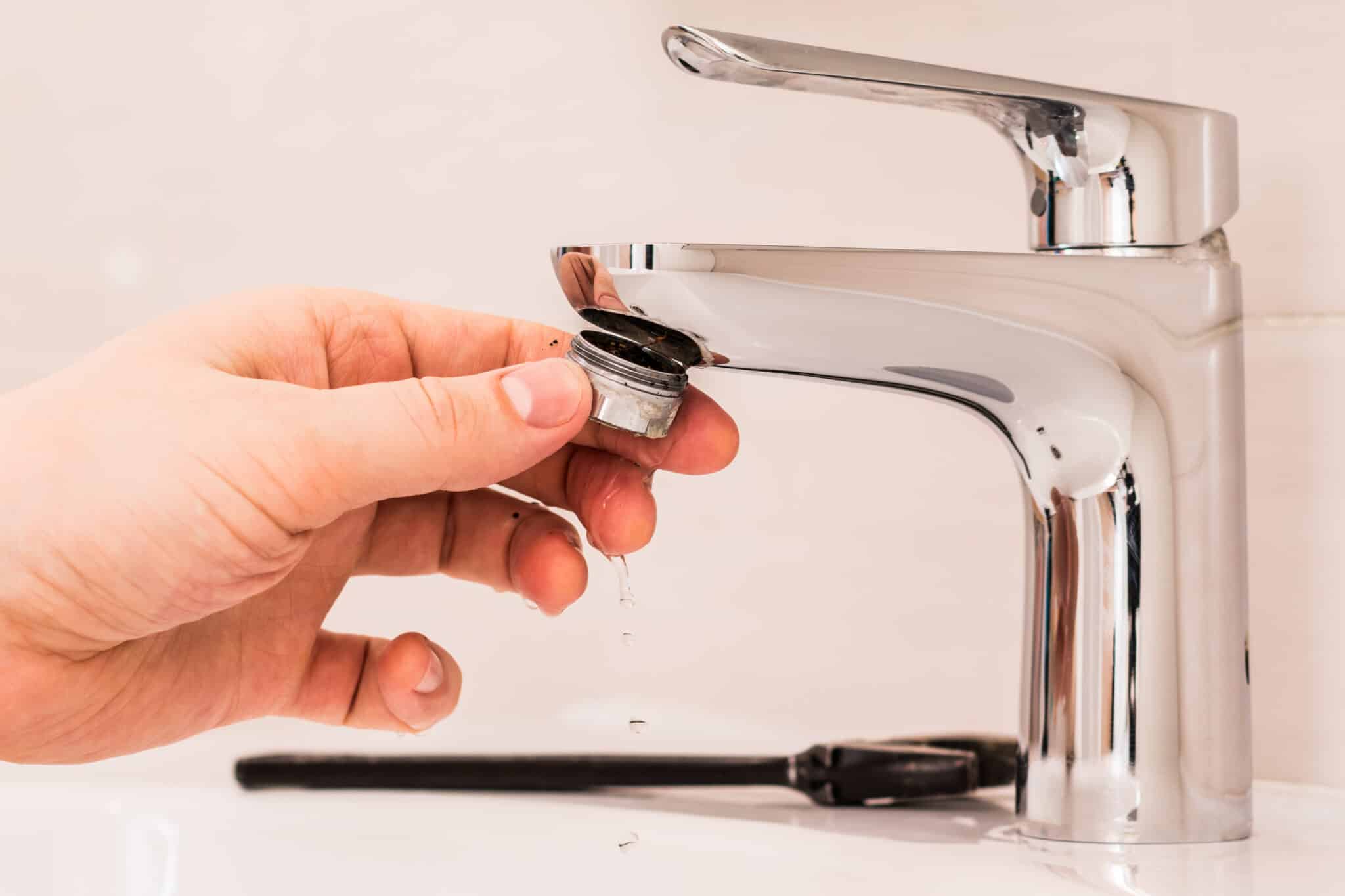
The process of cleaning an aerator involves unscrewing it from the faucet, disassembling it, and removing any debris. This might sound complicated, but it’s actually quite simple. Once cleaned, the aerator is reassembled and screwed back onto the faucet. The immediate improvement in water flow and reduction in splashback is often noticeable, offering instant gratification for your efforts.
Adopting a routine aerator cleaning schedule is a practical way to maintain your home’s plumbing health. It’s a task that requires minimal time and effort but has a significant impact on water usage and efficiency. By making aerator cleaning a regular part of your home maintenance routine, you contribute to the longevity of your plumbing fixtures and the sustainability of your water resources.
Identifying When Your Aerator Needs Cleaning
Knowing when your aerator needs cleaning is key to maintaining optimal water flow in your home. Over time, aerators can collect sediment, minerals, and debris, leading to a noticeable decrease in water pressure. If your water starts to flow unevenly or if you observe an increase in splashback, it’s likely time for aerator cleaning. These signs are your faucet’s way of telling you that it’s struggling to perform efficiently.
In Myrtle Beach, SC, the quality of water can contribute to the frequency of these maintenance tasks. Hard water, for example, can expedite the buildup of minerals in your aerator. When you begin to see a change in water pressure or flow, taking immediate action can prevent further issues. A simple check can save you from the inconvenience of erratic water flow and unnecessary water waste.
Residents in Conway, SC, might also notice that their water tastes or smells different when an aerator needs cleaning. This is because blockages can affect not only the flow but also the purity of the water coming out of your tap. A quick inspection and cleaning of your aerator can restore the freshness of your water, making it more pleasant for drinking and cooking. It’s a small step that can significantly enhance your daily water usage experience.
Lastly, if cleaning your aerator doesn’t improve water flow or quality, it might be time to replace it. Aerators are inexpensive and easy to install, making them a cost-effective solution to water flow issues. Regular aerator cleaning and timely replacement are simple yet effective practices that ensure your home’s plumbing system remains in top condition. By staying vigilant and proactive, you can enjoy consistent and efficient water flow throughout your home.
Tools Required for Effective Aerator Cleaning
For effective aerator cleaning, having the right tools on hand is crucial. A wrench or pliers are essential for unscrewing the aerator from the faucet. This step requires careful handling to avoid damaging the faucet’s finish. Wrapping a cloth around the aerator before using the wrench can protect the surface and provide a better grip.
Once the aerator is removed, a small brush or toothpick comes in handy for clearing out debris. These tools are perfect for getting into the tiny openings and removing any sediment or mineral buildup. Running water over the aerator parts can also help flush out loose particles. This thorough cleaning ensures that every nook and cranny is free from blockages.
Reassembling the aerator correctly is just as important as the cleaning process. After all parts are clean and dry, putting them back together in the right order ensures the aerator functions efficiently. If any rubber gaskets are worn or damaged, replacing them during reassembly can prevent leaks. This attention to detail during the reassembly process contributes to the aerator’s effectiveness and longevity.
Finally, testing the water flow after reattaching the aerator to the faucet is essential. This step confirms that the cleaning was successful and the aerator is working as intended. If the water flow is improved and splashback reduced, the cleaning process has been effective. Regular aerator cleaning, as demonstrated, is a simple yet impactful way to maintain optimal water flow in homes across Myrtle Beach, SC, and Conway, SC.
Step-by-Step Guide to Cleaning Your Faucet Aerator
Aerator cleaning begins with turning off the water supply to ensure a safe and dry working area. This precaution prevents any accidental water spillage or damage to the surrounding area. It’s a simple step, but it’s crucial for a smooth and efficient cleaning process. Residents of Myrtle Beach, SC, will find this tip especially useful in avoiding unnecessary messes.
Next, carefully remove the aerator using the tools you’ve prepared. If it’s tightly screwed on, apply gentle pressure with your wrench or pliers to loosen it. Remember, patience is key to avoiding scratches or damage to the faucet’s finish. This careful approach ensures that the aerator can be cleaned without causing harm to your faucet.
Once the aerator is off, soak it in a vinegar solution to dissolve any mineral buildup. This natural cleaning agent is effective in breaking down hard water deposits that are common in areas like Conway, SC. Letting the aerator sit in vinegar for an hour will make the debris easier to remove. This method is not only efficient but also environmentally friendly.
After soaking, scrub the aerator components with a brush to remove all the loosened deposits. Rinse everything under running water to wash away the remaining particles. Reattach the aerator to the faucet, making sure it’s secure but not overtightened. Turning the water supply back on and testing the flow confirms the success of your aerator cleaning effort.
Aerator Cleaning Tips for Hard Water Areas
Aerator cleaning becomes even more crucial in areas with hard water, as residents of Myrtle Beach, SC, can attest. The minerals in hard water tend to accumulate more quickly, leading to frequent clogs. By incorporating a descaling solution into your cleaning routine, you can effectively combat these deposits. This proactive step ensures your aerator remains free from the rapid buildup characteristic of hard water regions.
For those living in Conway, SC, it’s advisable to increase the frequency of aerator cleaning. Given the high mineral content in their water, a monthly check might be necessary to maintain optimal performance. This doesn’t mean a full cleaning every time, but a quick inspection can help you decide if more thorough cleaning is needed. Staying ahead of the buildup ensures your faucet operates smoothly and efficiently.
Another tip is to install a water softener system for your home. This device can significantly reduce the hardness of your water, thereby decreasing the rate of mineral buildup in your aerators. While this might seem like a larger investment upfront, it pays off by extending the lifespan of your plumbing fixtures and reducing the need for frequent aerator cleaning.
Finally, don’t overlook the importance of using the right cleaning agents. Vinegar is a great natural option, but for tougher deposits, a specialized descaling solution might be necessary. Always rinse the aerator thoroughly after cleaning to remove any residual cleaner. This attention to detail during the cleaning process guarantees that your aerator will function efficiently, providing a steady and splash-free flow.
Reassembling Your Faucet After Aerator Cleaning
After you’ve completed the aerator cleaning process, reassembling your faucet is the next crucial step. Start by laying out all the cleaned parts on a towel to ensure nothing is missing. Carefully align each component according to the manufacturer’s instructions. This methodical approach prevents any mix-ups, ensuring a smooth reassembly process.
Next, gently insert the aerator back into the faucet, paying close attention to the placement of rubber gaskets. These gaskets are vital for preventing leaks, so make sure they are not worn or out of position. If you find any damage, replacing them before proceeding is a wise move. This attention to detail guarantees a secure fit and optimal performance.
Once the aerator is in place, hand-tighten it to avoid damaging the threads. If necessary, use pliers wrapped in a cloth for a final snug, but be careful not to over-tighten. This step ensures the aerator is firmly attached without compromising the faucet’s integrity. Residents in Myrtle Beach, SC, will appreciate the importance of this caution, given the area’s hard water.
Finally, turn the water supply back on and test the faucet’s flow. You should notice a significant improvement in both water pressure and the reduction of splashback. This successful outcome highlights the benefits of regular aerator cleaning. Homeowners in Conway, SC, can now enjoy the enhanced performance of their faucets, thanks to this simple maintenance task.
The Benefits of Regular Aerator Cleaning
Regular aerator cleaning offers numerous advantages, enhancing the overall functionality and longevity of your home’s plumbing system. In Myrtle Beach, SC, where water quality and pressure can fluctuate, ensuring your aerator is free from debris is essential. This maintenance task not only improves water flow but also significantly reduces the chances of splashback, making daily water use more efficient and less messy. Furthermore, it contributes to a more sustainable water usage pattern, aligning with conservation efforts in the community.
In Conway, SC, residents who adopt a routine aerator cleaning schedule can also notice a difference in their water bills. By maintaining a clean aerator, water is dispensed more evenly and wastefully, leading to lower consumption and, consequently, lower costs. This simple yet effective practice prevents minor issues from escalating into major plumbing problems, saving homeowners from potential headaches and expenses. It’s a proactive approach to home maintenance that pays off in the long run.
Moreover, regular aerator cleaning helps in preserving the quality of your water. A clean aerator ensures that water is properly filtered, reducing the risk of sediment or mineral buildup affecting the taste or smell of your tap water. This is particularly beneficial in areas with hard water, where such buildups are more common. Residents can enjoy fresher, cleaner water for drinking and cooking, enhancing their daily living experience.
Lastly, the practice of aerator cleaning supports the overall health of your plumbing system. It prevents the premature wear and tear of faucets, extending their lifespan and maintaining their performance. For homeowners in Myrtle Beach, SC, and Conway, SC, this translates to fewer replacements and repairs, contributing to both environmental sustainability and household savings. Regular aerator cleaning is a small effort with big rewards, ensuring that your home’s water system operates smoothly and efficiently.
Preventing Future Build-Up in Your Faucet Aerator
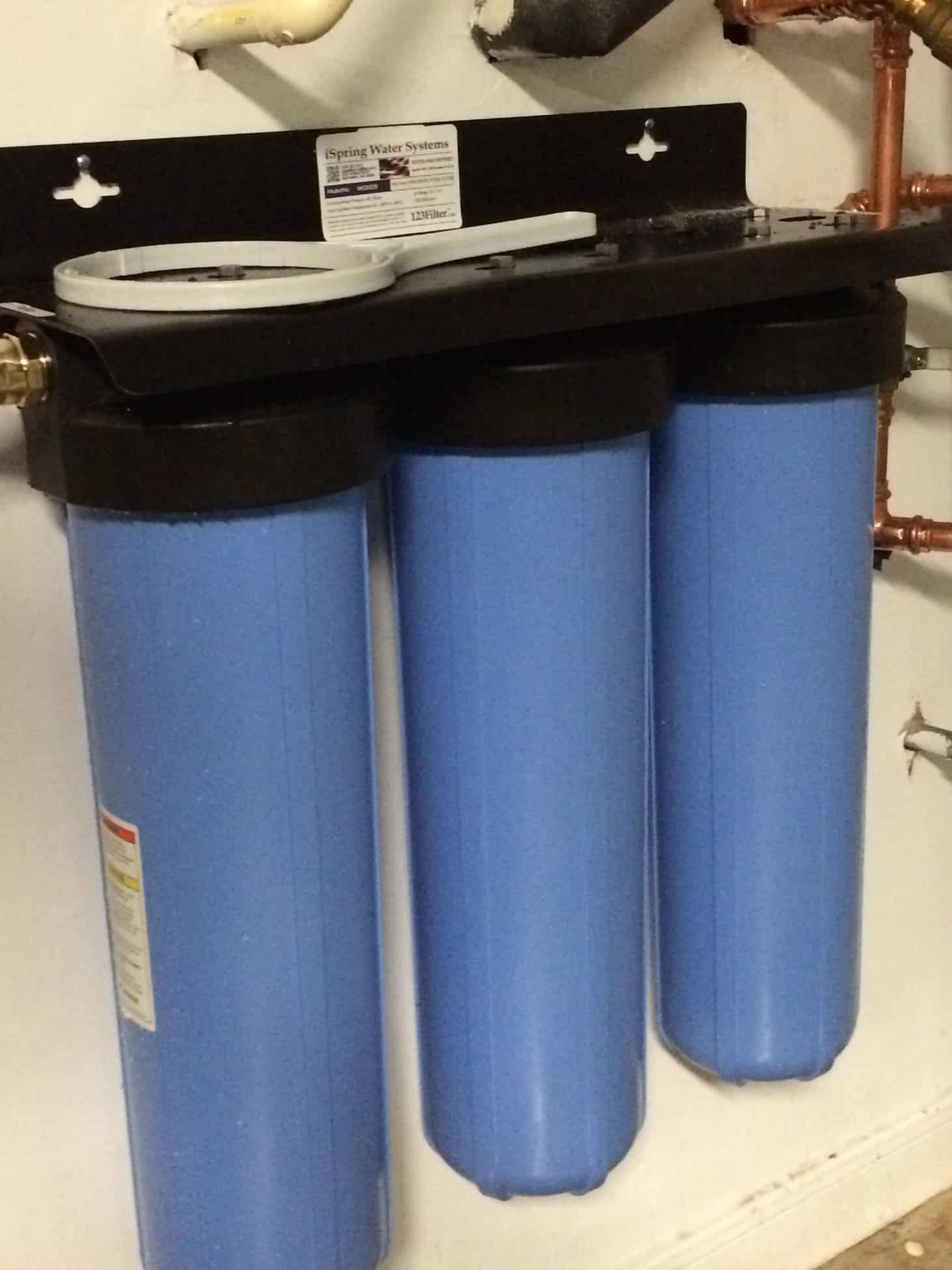
Preventing future build-up in your faucet aerator begins with understanding the water quality in Myrtle Beach, SC. Hard water is prevalent, leading to faster accumulation of minerals in your aerators. Installing a water filtration system can significantly reduce these deposits, making aerator cleaning less frequent. This proactive measure keeps your water flowing smoothly and extends the life of your faucets.
In Conway, SC, residents can benefit from regularly replacing their aerators. New aerators are inexpensive and can serve as a fresh start for your faucet’s water flow. This simple switch can prevent the gradual decrease in water pressure and quality that comes from long-term buildup. It’s an easy step that ensures consistent performance and quality of your tap water.
Another effective strategy is to use a preventive cleaning solution monthly. By soaking the aerator in a vinegar or descaling solution, you can dissolve minor buildups before they become problematic. This routine maintenance keeps your aerator functioning efficiently, reducing the need for more extensive cleaning. It’s a quick and easy habit that pays off by maintaining optimal water flow.
Lastly, educating everyone in the household about the importance of aerator cleaning encourages regular maintenance. When all family members know how to perform this simple task, it becomes a shared responsibility. This collective effort not only keeps your plumbing in top condition but also fosters a sense of teamwork. Together, you can ensure that your home enjoys the benefits of clean, efficient water usage.
Frequently Asked Questions
Why clean your faucet aerator?
Cleaning your faucet aerator is essential for maintaining strong water flow and reducing water splashback. Over time, aerators can collect mineral deposits, leading to blockages. Regular aerator cleaning ensures your water flows smoothly and efficiently. This simple maintenance task keeps your faucet functioning optimally and extends its lifespan.
How does aerator cleaning improve flow?
Aerator cleaning removes built-up minerals and debris, enhancing water flow from your faucet. This process allows for a more consistent and stronger stream. By unclogging these tiny openings, water pressure improves, leading to efficient faucet performance. Regular maintenance ensures your faucet works smoothly, saving you from potential water issues.
What tools are needed for aerator cleaning?
For aerator cleaning, you’ll need a few simple tools. A wrench or pliers help remove the aerator, while a small brush or toothbrush can scrub away debris. Vinegar is great for soaking and dissolving mineral buildup. Lastly, a towel or cloth can dry and polish the aerator after cleaning.
Can aerator cleaning reduce water bills?
Yes, aerator cleaning can help lower water bills. By removing blockages, it ensures efficient water flow, using less water for daily tasks. This efficiency translates into savings on your monthly expenses. Regular maintenance, including aerator cleaning, is a smart way to keep water costs down.
When should you replace your faucet aerator?
You should replace your faucet aerator if cleaning doesn’t restore its function. Over time, wear and tear can make them less effective. This typically happens after a few years of use. Installing a new aerator ensures optimal water flow and efficiency in your home.