
 843.213.6611
Laundry Standpipe Height – Prevent Washer Overflows and Odors
When it comes to maintaining a well-functioning laundry room, understanding the correct laundry standpipe height is crucial. This often-overlooked aspect plays a pivotal role in preventing washer overflows and unwanted odors, which can be a nuisance in any home. Especially in areas like Myrtle Beach, SC, where the humidity can exacerbate these issues, ensuring your laundry setup is optimized is key. Proper installation and maintenance can save homeowners a significant amount of trouble and expense.
The ideal laundry standpipe height is not just a recommendation, it’s a requirement for efficient and safe laundry room operations. Without the correct height, the risk of water backup and the resultant unpleasant smells increases, turning what should be a simple task into a potential headache. Residents in Conway, SC, and surrounding areas, understand the importance of keeping their homes in top condition, and this includes paying attention to the small details like standpipe height.
Navigating the specifics of laundry standpipe height can seem daunting at first. However, with the right information and guidance, homeowners can easily ensure their laundry systems are up to par. This not only contributes to the overall functionality of your home but also helps in maintaining a healthy, pleasant living environment. By adhering to the recommended standards, you can prevent common laundry room woes.
In conclusion, the significance of the correct laundry standpipe height cannot be overstated. It’s a simple yet critical component of home maintenance that, when addressed properly, can provide peace of mind and prevent unnecessary complications. Whether you’re in Myrtle Beach, SC, Conway, SC, or anywhere else, taking the time to verify your laundry standpipe meets the recommended height is a wise investment in your home’s upkeep.
Understanding Laundry Standpipe Height Requirements
Understanding the specific requirements for laundry standpipe height is essential for homeowners looking to maintain an efficient and safe laundry system. The standard height for a laundry standpipe typically ranges from 18 to 30 inches above the trap, which must be properly installed to prevent water from siphoning out during the wash cycle. This specific height range helps ensure that water flows smoothly, reducing the risk of backups and overflows that can lead to water damage and mold growth, particularly in humid areas like Myrtle Beach, SC.
Moreover, the correct installation of a laundry standpipe not only prevents functional issues but also combats the development of unpleasant odors. When the standpipe is set at the proper height, it aids in trapping sewer gases and prevents them from entering the home. This is crucial in maintaining a fresh and clean atmosphere in your laundry room, making the task of doing laundry more pleasant. Homeowners in Conway, SC, recognize the importance of these details in preserving their home’s overall well-being.
In addition, the diameter of the standpipe plays a significant role in its functionality. A standpipe with a diameter of at least 2 inches is recommended to accommodate the flow rate of modern washing machines. This size ensures that the water expelled during the spin cycle can be adequately drained away without causing backups or overflow. By adhering to these guidelines, homeowners can significantly reduce the likelihood of encountering issues with their laundry systems.
Lastly, regular maintenance of the laundry standpipe is key to its long-term performance. Homeowners should periodically check for clogs or obstructions that could impede water flow. Simple steps such as these can prevent major problems down the line, ensuring that your laundry room remains a functional and odor-free space. By understanding and implementing the correct laundry standpipe height and maintenance practices, residents can enjoy a more efficient and trouble-free laundry experience.
The Importance of Proper Standpipe Sizing
Ensuring the proper laundry standpipe height is crucial for homeowners in Myrtle Beach, SC, aiming for a well-functioning laundry system. This optimal height not only prevents potential overflows but also plays a significant role in the overall efficiency of your washing machine’s drainage. Incorrect sizing could lead to slower water drainage, increasing the risk of backups. Therefore, it’s essential to adhere to the recommended height to maintain a smooth and efficient laundry process.
In Conway, SC, residents understand the importance of proper standpipe sizing beyond just preventing overflows. A correctly sized standpipe also significantly reduces the chances of developing foul odors in the laundry room. These odors often result from stagnant water or debris buildup in a standpipe that is either too short or too narrow. By ensuring the standpipe is of the correct height and diameter, homeowners can keep their laundry area smelling fresh.
The relationship between standpipe height and the prevention of sewer gas entry into the home cannot be overstated. A standpipe set too low might not only fail to handle the water flow efficiently but also allow unpleasant gases to escape into the home. This makes achieving the right balance between height and functionality not just a matter of efficiency but also of health and safety. Residents can protect their homes from these risks by following the established guidelines for standpipe installation.
Regular checks and maintenance of the laundry standpipe contribute significantly to its long-term performance. Homeowners should ensure there are no blockages and that the standpipe remains at the recommended height. Simple preventative measures like these can save a lot of time and money by avoiding unnecessary repairs or adjustments. Ultimately, understanding and implementing the correct laundry standpipe height is a key step in ensuring a hassle-free laundry experience.
How to Measure for the Ideal Laundry Standpipe Height
Measuring the ideal laundry standpipe height is a straightforward process that can significantly impact the efficiency of your laundry system. First, you need to locate the point where the standpipe meets the trap. From this point, measure upwards to determine the height of the standpipe. Ensuring it falls within the 18 to 30 inches range above the trap will help prevent water from siphoning out during the wash cycle.
Next, consider the height of your washing machine’s outlet hose. It should comfortably reach the standpipe without being stretched too tight or having too much slack. This setup ensures that water flows smoothly into the standpipe, reducing the risk of backups and overflows. Homeowners in Myrtle Beach, SC, find that this simple adjustment can make a big difference in their laundry room’s functionality.
Additionally, it’s important to check local building codes and manufacturer’s recommendations for specific requirements. These guidelines can vary and might dictate a specific height for your standpipe that ensures compliance and optimal performance. Residents of Conway, SC, can benefit from consulting these resources to tailor their laundry setup to both legal standards and personal needs.
Finally, once you’ve established the ideal laundry standpipe height, regular monitoring and maintenance are essential. Keep an eye out for any shifts or changes in the standpipe’s position that could affect its efficiency. By taking these proactive steps, homeowners can maintain a well-functioning and odor-free laundry system, adding to the overall comfort and cleanliness of their homes.
Preventing Washer Overflows with Correct Standpipe Use
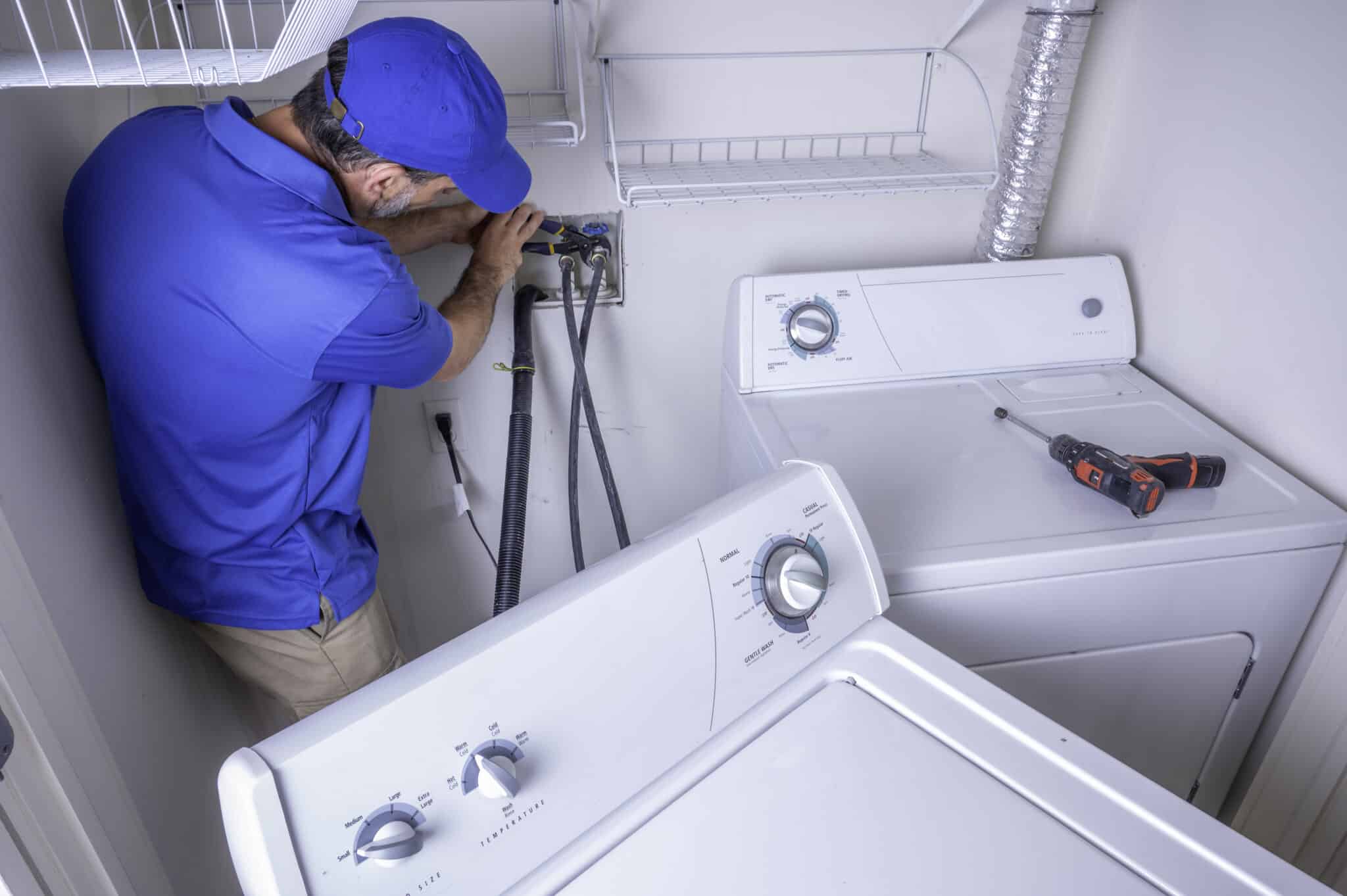
Correctly using your laundry standpipe is key to preventing washer overflows, a common concern for homeowners in Myrtle Beach, SC. Ensuring the standpipe is at the right height allows for efficient water flow from the washing machine. This not only minimizes the risk of overflows but also helps maintain the cleanliness and functionality of your laundry system. Proper use and installation are straightforward steps that can have a significant impact on your home’s maintenance.
In Conway, SC, residents recognize the importance of adhering to the recommended laundry standpipe height. By following these guidelines, you can avoid the hassle of water spilling onto your laundry room floor. Such incidents can lead to water damage and contribute to mold growth, especially in humid climates. Keeping the standpipe at the correct height is a simple yet effective way to protect your home and keep your laundry process smooth.
Regular inspections of your laundry standpipe can prevent potential problems before they escalate. Look for any signs of clogging or damage that could impede water flow. Addressing these issues promptly ensures that your laundry system remains efficient and effective. It’s a proactive approach that saves time and money, avoiding costly repairs down the line.
Finally, understanding and implementing the correct laundry standpipe height is an essential aspect of home maintenance. It’s not just about following guidelines, it’s about ensuring your laundry room operates without issues. Homeowners who take this seriously enjoy a more efficient laundry process, free from the inconvenience of overflows and the resulting complications. It’s a small detail that makes a big difference in the overall functionality of your home.
Eliminating Odors: The Role of Standpipe Height
Eliminating odors in your laundry room starts with understanding the critical role of laundry standpipe height. When set correctly, it prevents water from stagnating, a common cause of unpleasant smells. In Myrtle Beach, SC, where the humidity can amplify odors, maintaining the right standpipe height ensures a fresher laundry environment. This simple measure keeps your home smelling clean and supports a healthier living space.
Moreover, the height of your laundry standpipe directly impacts the efficiency of water drainage. A standpipe that’s too short may lead to water pooling, which becomes a breeding ground for mold and mildew. These not only cause odors but can also pose health risks. Homeowners in Conway, SC, can avoid these issues by ensuring their standpipe meets the recommended height guidelines.
Regular maintenance also plays a crucial role in odor prevention. Checking your standpipe for blockages or debris helps maintain optimal water flow and prevents odors from developing. This proactive approach saves you from future headaches and keeps your laundry process running smoothly. It’s a straightforward task that significantly contributes to the overall cleanliness of your laundry area.
Lastly, the right laundry standpipe height enhances the overall functionality of your laundry system. It’s not just about preventing overflows, it’s about ensuring a clean, odor-free environment. By adhering to the recommended standards, homeowners ensure their laundry rooms remain pleasant and efficient. This attention to detail makes a significant difference in the quality of your home’s maintenance routine.
Installation Tips for Your Laundry Standpipe
Installing your laundry standpipe correctly is crucial for maintaining an efficient laundry system in your home. In Myrtle Beach, SC, homeowners should ensure the standpipe is securely attached and stands at the recommended height to facilitate optimal water flow. This prevents the risk of overflows and contributes to a cleaner, more efficient laundry process. Proper installation also means checking that the standpipe is perfectly vertical, which aids in preventing water from pooling.
When considering the installation process, it’s important to use the right materials. Durable pipes that resist wear and tear ensure that your laundry standpipe remains functional over time. In Conway, SC, selecting materials that can withstand the humidity and occasional shifts in temperature can make a significant difference in the longevity of your laundry system. Additionally, using high-quality sealants prevents leaks, which can lead to water damage and odors.
Regular inspection is a key aspect of maintaining your laundry standpipe’s efficiency after installation. Homeowners should periodically check for any signs of leaks, cracks, or loose connections. Addressing these issues promptly can save you from costly repairs in the future and keeps your laundry system running smoothly. It’s a simple step that significantly impacts the overall functionality of your laundry room.
Lastly, consulting with a professional can provide peace of mind and ensure that your laundry standpipe is installed correctly. Experts familiar with local building codes can offer valuable advice and ensure that your laundry system meets all necessary requirements. This not only ensures compliance but also optimizes your laundry room’s performance, making your home maintenance routine more effective and hassle-free.

Common Mistakes to Avoid with Laundry Standpipe Setup
Ensuring the correct laundry standpipe height is essential, yet some homeowners in Myrtle Beach, SC, overlook this detail. A common mistake is not adhering to the recommended height, leading to water not draining efficiently. This can cause overflows, which are both inconvenient and potentially damaging. To avoid such issues, it’s crucial to maintain the standpipe at the advised height.
Another frequent oversight is neglecting the importance of a secure installation. If the standpipe isn’t firmly attached, it may shift over time, affecting its height and efficiency. Homeowners in Conway, SC, should regularly check their standpipe’s stability. A stable standpipe ensures consistent performance and prevents leaks.
Ignoring the need for regular maintenance is also a pitfall. Blockages can form in the standpipe, leading to backups and unpleasant odors. By periodically inspecting and cleaning the standpipe, you can ensure it remains clear and functional. This simple step greatly contributes to a smoothly running laundry system.
Lastly, some might choose a standpipe with an incorrect diameter, thinking it won’t impact performance. However, a standpipe too narrow for your washing machine’s output can lead to overflows and reduced drainage efficiency. Selecting the proper diameter complements the correct laundry standpipe height, ensuring your laundry room remains clean and dry.
Enhancing Your Laundry Room’s Efficiency and Safety
Enhancing the efficiency and safety of your laundry room begins with paying attention to the laundry standpipe height. In Myrtle Beach, SC, the right standpipe height ensures your washing machine drains water effectively, preventing overflows. This not only keeps your laundry room dry but also safeguards against water damage. Proper height allows for a seamless water flow, enhancing both efficiency and safety in your home.
In addition to setting the correct height, securing the standpipe properly is vital. A well-secured standpipe won’t shift or loosen, maintaining the optimal height and preventing leaks. Homeowners in Conway, SC, will find that a stable standpipe contributes to a more reliable laundry system. Regular checks for stability can prevent unexpected shifts that might compromise the system’s efficiency.
Regular maintenance of the laundry standpipe is another cornerstone of a well-functioning laundry room. Ensuring it’s clear of blockages not only prevents backups but also eliminates odors. A clean standpipe means water and air flow freely, keeping your laundry room fresh and your system running smoothly. Simple, routine checks can save you from larger issues down the line.
Lastly, choosing the correct diameter for your laundry standpipe is as crucial as its height. A standpipe that’s too narrow can bottleneck the flow from your washing machine, leading to overflows. Ensuring the diameter matches your machine’s output enhances the overall efficiency of your laundry system. Together, the right height and diameter keep your laundry room operating safely and efficiently.
Frequently Asked Questions
What is the ideal laundry standpipe height?
The ideal laundry standpipe height is crucial for preventing washer overflows and odors. It should be at least 24 inches but not exceed 36 inches above the trap. This range ensures efficient water flow and prevents backflow issues. Proper installation at this height keeps your laundry area clean and odor-free.
How to prevent washer overflows?
To prevent washer overflows, ensure the laundry standpipe height is correctly set between 24 to 36 inches. This height allows for optimal water flow and reduces the risk of backflows. Regularly check hoses and connections for any signs of wear or leaks. Additionally, avoid overloading the washer, as this can also lead to overflows and related issues.
Can incorrect standpipe height cause odors?
Yes, an incorrect laundry standpipe height can lead to unpleasant odors in your laundry area. If the standpipe is too short, water may not drain properly, creating a breeding ground for bacteria and mold. A standpipe that’s too tall can hinder effective venting, trapping sewer gases inside. Ensuring the standpipe is set at the right height helps maintain a fresh and clean laundry space.
What tools are needed for adjusting standpipe height?
Adjusting the laundry standpipe height requires a few basic tools. You’ll need a pipe cutter for resizing the standpipe to the correct length. A wrench is essential for tightening or loosening connections. Don’t forget a measuring tape to ensure accuracy. Lastly, Teflon tape helps seal the threads to prevent leaks.
How often should laundry standpipe height be checked?
It’s best to check the laundry standpipe height at least once a year. This routine ensures it remains within the ideal 24 to 36 inches range. Regular inspections help prevent washer overflows and odors effectively. Keeping up with this simple maintenance task can save you from future plumbing issues.