
 843.213.6611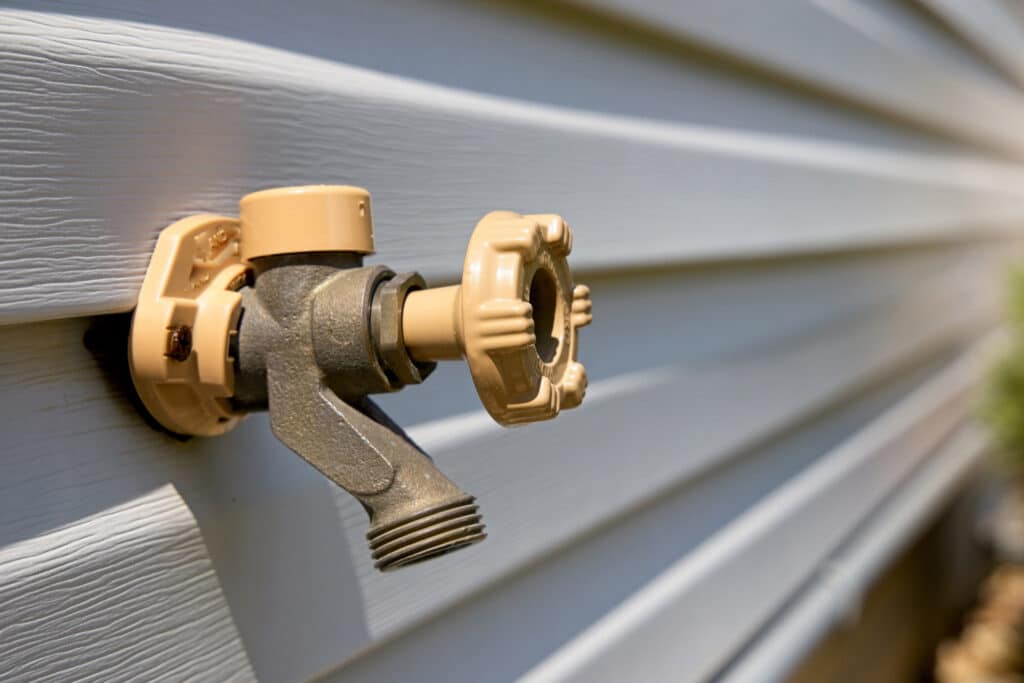
Vacuum Breaker – Protect Outdoor Spigots from Backflow
A vacuum breaker is an essential device that plays a significant role in this aspect. It’s designed to prevent contaminated water from flowing back into your clean water supply, a vital feature for homeowners in Myrtle Beach, SC, and beyond. Understanding its function and importance can save you from potential health hazards and costly repairs.
Installation of a vacuum breaker is straightforward but requires attention to detail and adherence to local codes. Typically installed on outdoor spigots, these devices are a first line of defense against backflow contamination. Whether you’re in Conway, SC, or the bustling city of Myrtle Beach, ensuring your plumbing system includes this critical component is a step towards safeguarding your home’s water quality.
Compliance with local building and plumbing codes is not just about following the rules, it’s about ensuring the safety and well-being of your community. Vacuum breakers are often mandated by these regulations, highlighting their importance in maintaining a healthy water supply system. Familiarizing yourself with these requirements is key to a compliant and safe installation.
Understanding the Role of a Vacuum Breaker
A vacuum breaker plays a crucial role in maintaining a home’s plumbing integrity, especially in areas like Myrtle Beach, SC. It acts as a barrier, preventing potentially contaminated water from reversing flow and entering the clean water supply. This device is particularly vital for homes that use outdoor spigots for gardening or cleaning purposes. By installing a vacuum breaker, homeowners ensure that their water remains safe for all household uses.
In Conway, SC, the process of installing a vacuum breaker is simple yet requires precision. The device must be attached at a specific point on the spigot to function correctly. Professionals often recommend placing it at the highest point in the system to allow for optimal performance. This strategic placement ensures that gravity aids in preventing backflow, enhancing the device’s effectiveness.
Understanding local code compliance is essential when adding a vacuum breaker to your plumbing system. Each area has its own set of regulations that dictate how and where these devices should be installed. By adhering to these guidelines, homeowners not only protect their water supply but also avoid potential fines. It’s always wise to consult with a plumbing expert familiar with Myrtle Beach, SC, regulations to ensure your installation meets all local standards.
Choosing the right vacuum breaker is as important as its correct installation. Various models are designed to suit different plumbing systems and requirements. Homeowners should consider factors such as the device’s durability, compatibility with their existing plumbing, and any specific features that may enhance protection against backflow. Consulting with a plumbing professional can help identify the most suitable vacuum breaker for your home, ensuring long-term safety and compliance.

How a Vacuum Breaker Works to Prevent Backflow
A vacuum breaker is ingeniously designed to prevent backflow by allowing air into the plumbing system, thus stopping water from flowing in the wrong direction. When water pressure drops, the valve inside the vacuum breaker opens, letting air in and breaking the vacuum. This simple yet effective mechanism ensures that contaminated water cannot siphon back into the clean water supply. It’s a critical safeguard for homes in Conway, SC, where outdoor water use is common.
The operation of a vacuum breaker is automatic, responding instantly to changes in water pressure. This means homeowners in Myrtle Beach, SC, can rely on it to work seamlessly without manual intervention. When the water flows normally, the valve remains closed, preventing air from entering the system. However, if pressure falls, the valve opens immediately, a key feature that protects the water quality.
For the vacuum breaker to function correctly, it must be installed properly. This involves placing it at a point where it can effectively prevent backflow, typically at an outdoor spigot or where the home’s plumbing system connects to external water sources. Professionals ensure it’s set up at the correct height and location, adhering to local codes in places like Myrtle Beach, SC. Their expertise guarantees the device operates as intended, offering peace of mind to homeowners.
Understanding how a vacuum breaker works is crucial for recognizing its value in maintaining a safe water supply. Its role in preventing contaminated water from entering the clean system cannot be overstated. For residents in Conway, SC, and surrounding areas, ensuring their plumbing includes a functioning vacuum breaker is a step towards safeguarding their health and complying with local regulations. It’s a smart, necessary measure for any homeowner.

Identifying the Right Vacuum Breaker for Your Home
Identifying the right vacuum breaker for your home involves understanding the specific needs of your plumbing system. In Myrtle Beach, SC, the diverse range of outdoor activities demands a robust solution. Look for a vacuum breaker that’s durable and can withstand the environmental conditions unique to the area. This ensures your water supply remains protected against backflow under various circumstances.
Compatibility with your existing plumbing setup is another critical factor to consider. A vacuum breaker that doesn’t fit properly can lead to leaks or malfunction, compromising its effectiveness. It’s wise to consult with a plumbing professional who can recommend a model that integrates seamlessly with your system. Their expertise can save you time and ensure your installation meets all local regulations.
Features that enhance the vacuum breaker’s protective capabilities should not be overlooked. Some models offer additional safeguards against backflow or are designed for specific types of outdoor faucets. In Conway, SC, where garden irrigation and outdoor water use are common, selecting a vacuum breaker with these extra features can provide peace of mind.
The Importance of Code Compliance
Ensuring your vacuum breaker meets local code compliance in Myrtle Beach, SC, is not just a regulatory requirement, it’s a critical step in safeguarding your home’s water quality. Codes are designed to set a standard for safety, making sure that every vacuum breaker installed provides the necessary protection against backflow. Homeowners should verify their devices comply with these standards, as non-compliance can lead to water contamination risks. Consulting with a professional familiar with local regulations can simplify this process, offering peace of mind that your plumbing system is both safe and legal.
In Conway, SC, adhering to code compliance when installing a vacuum breaker also means avoiding potential fines and legal issues. Local authorities often require proof of compliance, which can include specific documentation or an inspection by a certified plumber. This ensures that all vacuum breakers in the area contribute to a collective effort in protecting the community’s water supply. By following these guidelines, residents play a part in maintaining public health and safety.
Code compliance also extends to the type and placement of the vacuum breaker. Different areas may have unique requirements based on their water systems and environmental conditions. This specificity ensures that the vacuum breaker installed in your home is suited to effectively prevent backflow in your specific locale. It’s important to choose a device that not only fits your plumbing system but also meets the exacting standards set by local codes.
Finally, staying informed about changes in plumbing codes is essential for homeowners in Myrtle Beach, SC. Regulations can evolve, reflecting new technologies or strategies in water safety. Keeping up-to-date with these changes ensures your vacuum breaker remains compliant over time, providing continuous protection against backflow. Regular consultations with plumbing professionals can help you navigate these updates, ensuring your home’s plumbing system adheres to the latest standards.
DIY vs. Professional Installation
When considering the installation of a vacuum breaker, homeowners might weigh the options between DIY and seeking professional help. Doing it yourself can seem appealing due to the perceived savings and the satisfaction of completing a home improvement project. However, the intricacies involved in ensuring the device is correctly installed and meets all local codes can be daunting. For those in Myrtle Beach, SC, where regulations are strict, professional installation ensures compliance and peace of mind.
Professionals bring a wealth of experience and knowledge to the table, especially in understanding the specific requirements of different locales, including Conway, SC. They are adept at selecting the right vacuum breaker for your home’s plumbing system, ensuring it fits perfectly and functions as intended. This expertise not only saves homeowners from potential installation errors but also from the long-term costs associated with water contamination risks.
On the other hand, a DIY approach allows homeowners to become more familiar with their plumbing systems. It can be a learning opportunity, offering insights into how vacuum breakers protect against backflow and the importance of water safety. Yet, without the proper tools and understanding of plumbing principles, there’s a risk of incorrect installation, which could lead to failure of the device when it’s most needed.
Ultimately, the decision between DIY and professional installation comes down to balancing cost, convenience, and confidence in one’s ability to meet the necessary standards. For those in Myrtle Beach, SC, and Conway, SC, consulting with a plumbing professional before making a decision can provide valuable guidance. They can assess your specific situation, offer advice on the best course of action, and ensure that your vacuum breaker installation is successful and compliant.
Maintaining Your Vacuum Breaker for Longevity
Maintaining your vacuum breaker is crucial to ensure it continues to protect your home’s water supply from contamination. Regular checks help identify any signs of wear or damage that could compromise its functionality. In Conway, SC, the changing seasons can affect outdoor plumbing fixtures, making it even more important to keep an eye on your vacuum breaker’s condition. A well-maintained device is key to preventing backflow and safeguarding your family’s health.
It’s advisable to clean the vacuum breaker periodically to remove any debris or sediment that may have accumulated. This simple step can prevent blockages, ensuring the device operates smoothly. Homeowners in Myrtle Beach, SC, will find that this minor maintenance task can significantly extend the life of their vacuum breaker. Keeping it clean helps maintain optimal performance, preventing costly repairs or replacements down the line.
In addition to cleaning, it’s important to test the vacuum breaker regularly to ensure it’s working as intended. This can be done by turning on the water and observing the device’s response. If it doesn’t allow air in when the pressure drops, it might be time to consult a professional. Testing helps catch issues early, before they lead to a backflow problem.
Lastly, understanding when to replace your vacuum breaker is crucial. If you notice consistent issues despite regular maintenance, it might be time for a new one. Consulting with a plumbing professional can help determine whether a replacement is necessary. They can offer advice on the best model for your home’s needs, ensuring continued compliance with local codes and protection against water contamination.
Common Issues and Troubleshooting for Vacuum Breakers
Even with regular maintenance, vacuum breakers can encounter issues that hinder their performance. In Conway, SC, homeowners might notice water leaking from the device, a common sign that the internal seal may be worn or damaged. This issue requires prompt attention to prevent water contamination. Replacing the seal or consulting with a professional can resolve this problem, ensuring the vacuum breaker continues to function effectively.
Sometimes, vacuum breakers may not open properly due to debris or mineral buildup inside the device. This malfunction can prevent the breaker from allowing air into the system, defeating its purpose. Homeowners in Myrtle Beach, SC, can often fix this by cleaning the device thoroughly. If cleaning does not solve the issue, it might be necessary to replace the vacuum breaker to maintain water safety.
Lastly, if a vacuum breaker makes unusual noises, such as hissing or gurgling, it’s a sign that air is not flowing through it correctly. This issue could stem from various causes, including improper installation or a malfunction within the device itself. Consulting with a plumbing expert can help diagnose the cause of the noise and determine the best course of action to ensure the vacuum breaker’s effective operation and compliance with local regulations.
Frequently Asked Questions
What is a vacuum breaker?
A vacuum breaker is a device that prevents water from flowing backward. It safeguards your home’s water supply from contamination. You’ll often find it installed on outdoor spigots. This simple tool is key to keeping your water clean and safe.
How does a vacuum breaker protect spigots?
A vacuum breaker protects spigots by stopping dirty water from flowing back into your clean water supply. It acts like a one-way gate that only allows water to flow out. When water tries to move back, the vacuum breaker blocks it. This ensures your water stays safe and contamination-free.
Can I install a vacuum breaker myself?
Yes, installing a vacuum breaker is a task most homeowners can handle. You simply screw it onto your outdoor spigot. No special tools are needed. Just make sure it’s tight to prevent leaks.
What are the signs of backflow damage?
Signs of backflow damage include water discoloration, unpleasant odors, or an unusual taste. You might also notice reduced water pressure in your home. These symptoms suggest that contaminated water is entering your clean supply. Installing a vacuum breaker on outdoor spigots can prevent such issues.
How often should a vacuum breaker be replaced?
A vacuum breaker should be checked yearly for any signs of wear or damage. If you spot cracks or leaks, it’s time for a replacement. Generally, replacing them every five to ten years is a good rule of thumb. This ensures your home’s water supply remains safe from contamination.